Are you as unprepared as most Icelanders?
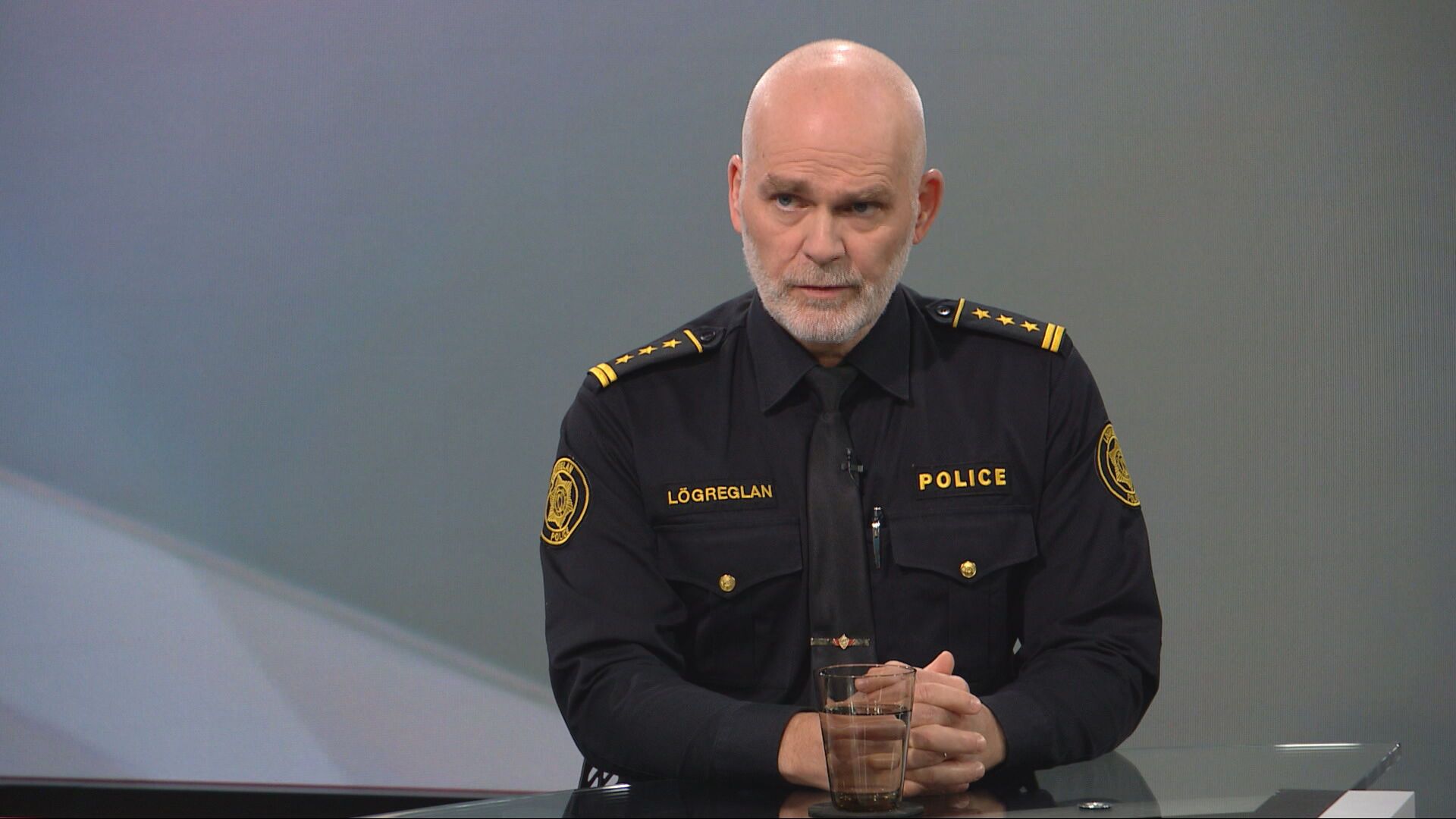
Ragnar Hjálmarsson writes on Vísir about Varða’s survey of Icelanders’ disaster awareness: trust in responders is high but household preparedness is low. He proposes a simple kitchen-table exercise that takes a single evening.
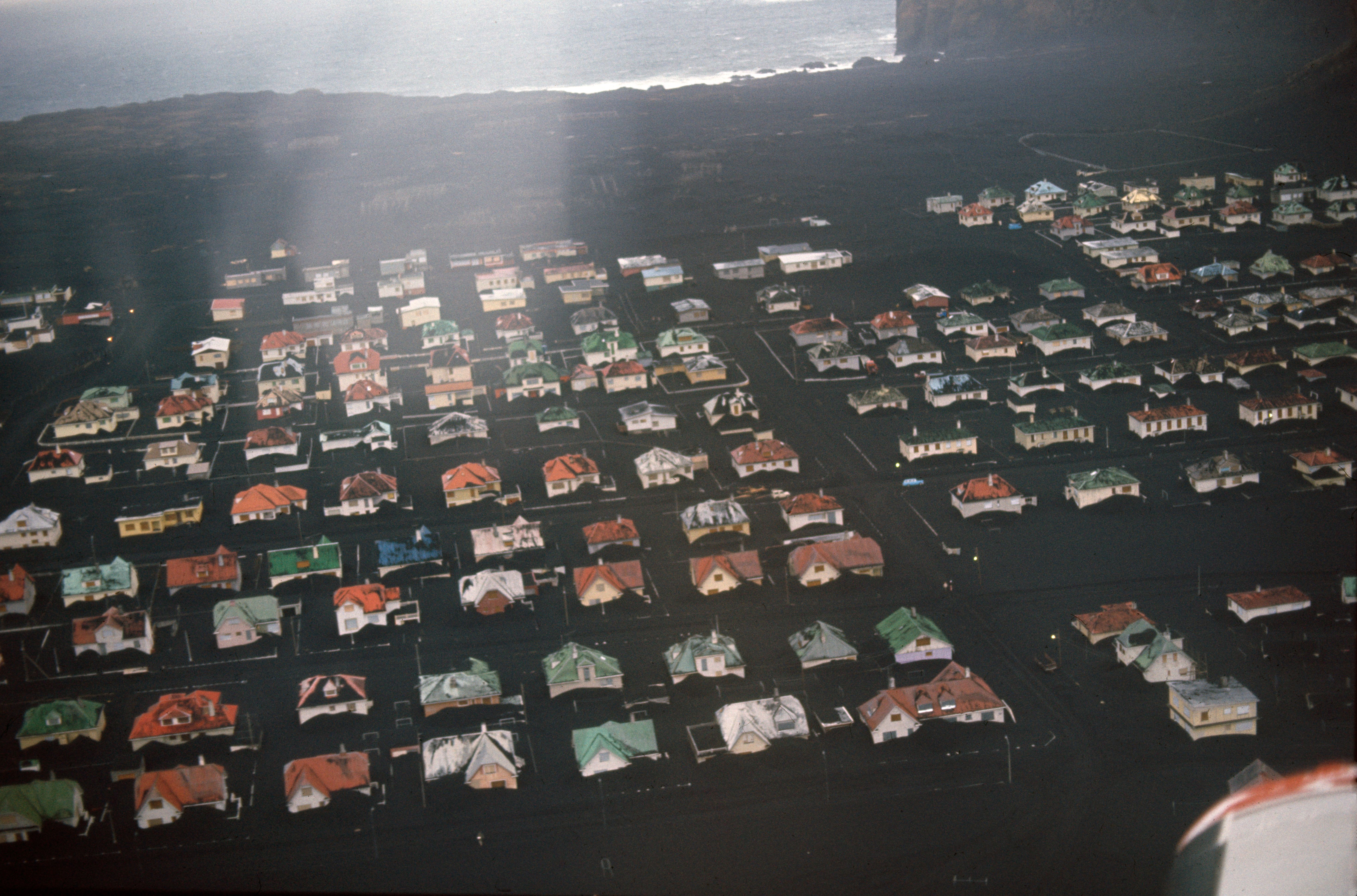
It is a Tuesday evening in January and a storm is battering the windows. The lights go out, the phone has no signal and after a few hours the radiators have gone cold. What do you do? Where do you look for information, and how do you reach the people you love who are somewhere out in town?
The government recently launched the booklet Verum viðbúin (Let’s be prepared), which everyone in Iceland aged 18 and over receives through Ísland.is. It urges us to keep supplies for three days and to make a household plan. The booklet is much needed. A survey of Icelanders’ disaster awareness by the think tank Varða, published earlier this year, shows that we have some way to go in our preparedness.
High trust, low preparedness
Let us start with the good news. Icelanders trust emergency responders and the authorities to an exceptional degree: 94.6% trust them to respond correctly to a disaster, a higher share than in Denmark and Sweden and well above the EU average of 86.7%. Civil protection and the country’s rescue teams have earned that trust in one crisis after another. But could the trust be so great that we feel there is little we need to do ourselves? At the very least, we hold far fewer supplies than Finns and Swedes. In Iceland, 20.7% say they keep emergency supplies of food and drink, against 52% in Finland, 44.8% in Sweden and an EU average of 32.6%. Fewer than one in ten Icelanders keep water for cooking and hygiene, compared with about a third of Finns and Swedes.
Two to three days
Most of us do have a torch or candles, about half have a first-aid kit and about a quarter a battery-powered radio, more than the European average. Our problem appears when we have to think further ahead. The most common answer in Iceland is that people could manage for two to three days if electricity, water or food distribution failed, and that answer is more frequent here than in our neighbouring countries. Only 20.2%, however, think they have food to last more than a week, against 36.5–45.5% in the other Nordic countries. Even fewer say they have water to last that long. Power cuts we seem to cope with better: 15.1% think they could manage for more than a week without electricity, against 6.3–12.1% in the other Nordic countries. We assume things will work out for two or three days, which is rather Icelandic, but then the fun inevitably wears off.
Examples are not hard to find. When the eruption at Svartsengi severed the hot-water pipeline in February 2024, thousands of households on the Suðurnes peninsula were left without hot water in the middle of winter. In such circumstances, priorities must be set and those in the weakest position helped first. If you can look after yourself and your family, you secure your own safety and wellbeing and ease the burden on responders at the same time. In other words, you are part of civil protection.
Let us talk about it
Most surprising is how little we use our greatest strength: the people around us. In Iceland, where the distance between people is short and volunteering has a strong tradition, only 39.9% would rely on their neighbours in the first days after a disaster, against 74.2–84.5% in the other Nordic countries. It is also striking that only 5.5% have agreed with family or friends on how they would reach one another if communications failed, against 18.4% in Finland, 15.6% in Sweden and an EU average of 20.2%. We also draw far less than the rest of Europe on the community that sits between the household and the public responders: neighbours, workplaces, schools and associations. This is easy to put right. It costs nothing to talk to our friends, neighbours and colleagues about how we can help one another when it matters.
What can you do?
The checklist in the civil protection booklet is a good start, and nothing needs to be bought all at once. Building up supplies matters, but it matters even more to sit down with those closest to you and write a plan on paper. Here we can learn from the Swedes. The Swedish Civil Contingencies Agency has designed a simple household exercise, Sju dagar (Seven days), which follows here in a retold version and takes no more than an evening.
An exercise at the kitchen table
Set aside an hour or two one evening when everyone is at home. Put the booklet, a blank sheet of paper and a pen on the kitchen table and divide the sheet into two columns: what is missing and what needs to be decided. One of you reads the description of each day aloud and the others answer according to what is actually in the house, not what they think is there. Get up and look in the cupboards. Think about the chain reaction too: what else stops working, and what does that mean for each of you? End each day by asking what else could go wrong.
Day 1: Communications. The power goes off, the internet is down and the phone cannot make calls. How do you find out what has happened? Is there a battery-powered radio, and are important phone numbers written down on paper? Do you have power banks for your phones and other devices? Where will you meet if you cannot reach one another, and do you know where the nearest emergency shelter is?
Day 2: Water. No water has come out of the tap since yesterday. Where do you get water? How do you boil pasta, and what do you do now that the toilet cannot be flushed? Do you have bottles of water in the freezer, which also help keep food cold, or larger water containers in a dark, cool place? The Swedes reckon on three to five litres per person per day for drinking, cooking and hygiene. Is there a camping stove in the house, and does anyone know how to use it?
Day 3: Heat. The hot water goes off and the flat cools quickly, especially once it gets dark. How do you keep warm? Do you have spare blankets and warm clothes for everyone in the household? It is advisable to stay in a smaller space than usual to save heat. Which room suits you best, and how can the heat be kept in, for example by hanging blankets over the windows and sealing gaps? And where can you turn if the cold lasts for days?
Day 4: Food. The fridge has started to smell and you now have to rely on dry and tinned food. How long will what you have last? The Icelandic booklet recommends using food from the fridge first and then from the freezer while it is still cold, and not eating anything that may have spoiled. Which of the foods that keep at room temperature would the family actually eat? Could you add one such item to the basket on every shopping trip? Is anything in the pantry past its date?
Day 5: Money. You are standing at the till in the shop but the card terminal does not work. How do you pay? Can you pay in more than one way, and do you remember your PIN if contactless payments are down? How much cash is there at home? In Sweden the advice is an amount that covers a week’s shopping for the household. And if cash is the only option, what do you buy first and what comes lower down the list? Do you have copies of important documents, such as ID and insurance certificates, on paper or on a memory stick?
Day 6: Life and health. The pharmacy is closed and the medicines in the cabinet are running low. How long will the household’s supply of medicines last? The Swedish authorities advise those on prescription medicines to keep a month’s supply at home. Does anyone in the household need aids or daily assistance, and what happens if that stops? Does any of you know first aid, or would a course be useful?
Day 7: Neighbours. You are managing reasonably well, but not everyone in the building or the street may be as well off. Is anyone near you less prepared than you are? Do you know your neighbours well enough to know how you could help one another? Could you share supplies if you have some to spare? Which of your skills could be of use to others?
When the exercise is over, the first column (what is missing) has become a shopping list, and the second (what needs to be decided) is a good basis for a household plan to pin on the fridge. It is a good idea to complete one item that same week and then work down the list. Repeat the exercise a year later, for instance when the rescue teams knock on the door at this time of year.
We are all civil protection, and in that spirit I urge you to set aside one evening in the coming days and make a household plan. The next time the power goes off on a cold Tuesday evening, the answer to the question “what do we do?” will be hanging on the fridge. Then things will work out, because we have prepared.
The author works at Varða, a think tank on national security.
This article was first published in Icelandic on Vísir.is on 9 November 2026.
 When put to the test: Disaster awareness and preparedness of the Icelandic publicA new Varða analysis of the Icelandic public's disaster awareness and preparednessRead →