The fleet that left: Iceland's lack of merchant shipping is a national-security issue
Today no merchant vessels are registered in Iceland, whereas in 1987 there were 39. All ships operated by Icelandic shipping companies sail under foreign flags — Faroese, Norwegian or Dutch, for example — even though over 90% of Iceland's trade in goods travels by sea. Fuel, food, medicines and building materials therefore arrive almost exclusively on ships over which Iceland has no jurisdiction. It is…
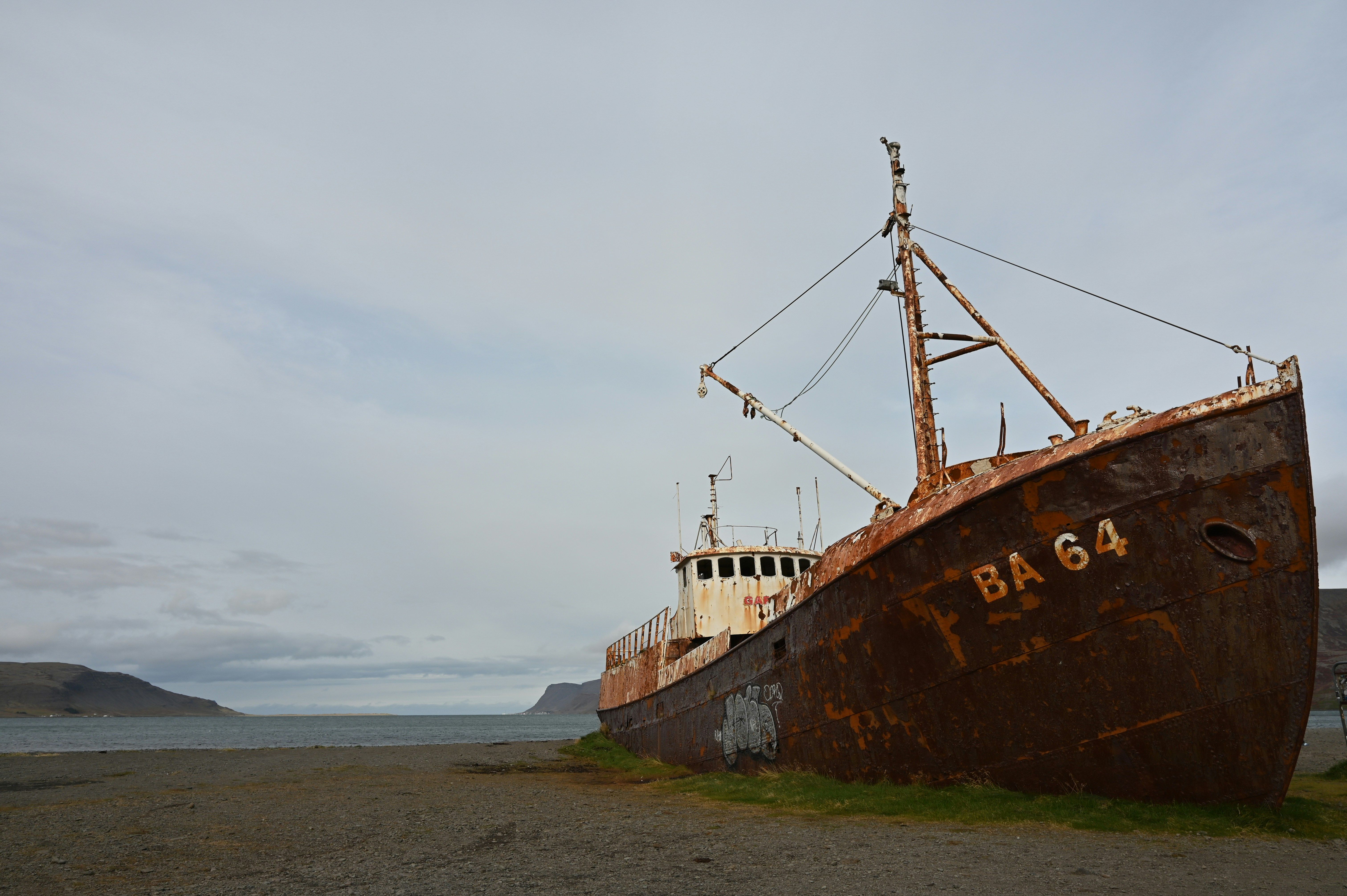
Today no merchant vessels are registered in Iceland, whereas in 1987 there were 39.1 All ships operated by Icelandic shipping companies sail under foreign flags — Faroese, Norwegian or Dutch, for example — even though over 90% of Iceland's trade in goods travels by sea.2 Fuel, food, medicines and building materials therefore arrive almost exclusively on ships over which Iceland has no jurisdiction.
The fact that Iceland has no merchant vessels under its jurisdiction is not a technical problem — it is a national-security issue, plain and simple. Stable supply chains and access to essential goods are fundamental to the security of any nation. Registration determines which state has jurisdiction over a ship, and it is on the basis of that jurisdiction that a state can call on its services in times of emergency.3 The Icelandic authorities have no such authority over the ships that carry goods to and from the country.
Two attempts to establish an Icelandic international ship registry have failed, and setting up a new registry is unlikely to be a realistic option in the short term.4 Inaction, however, is not a good option.
Varða proposes that the Icelandic authorities explore the possibility of cooperating with the Faroe Islands Maritime Authority (FMA) on the operation of an Icelandic international ship registry. Iceland would set the legal framework but entrust the day-to-day operation of the registry to an institution that Icelandic shipping companies already know and trust. There are existing precedents for such cooperation. The ships that now sail under the Faroese flag could transfer to the Icelandic flag without any change in service, and Iceland would thereby regain jurisdiction over the vessels. This approach has clear models in the operation of the world's largest ship registries — those of Liberia and the Marshall Islands, for example — which are outsourced to third parties without jurisdiction and flag-state authority being surrendered.
 The fleet that leftIceland's lack of merchant shipping is a national-security issueRead →