Russian sabotage, infrastructure and Iceland
A few months ago, Beate Gangås, director of the Norwegian security service PST, announced that Russian hackers had gained control of a dam in Bremanger. The attackers opened the dam and for four hours water flowed out of it at 500 litres per second. Although the attack took place in April, it was not until the autumn that PST could state that Russia…
A few months ago, Beate Gangås, director of the Norwegian security service PST, announced that Russian hackers had gained control of a dam in Bremanger. The attackers opened the dam and for four hours water flowed out of it at 500 litres per second. Although the attack took place in April, it was not until the autumn that PST could state with confidence that Russia was behind it.
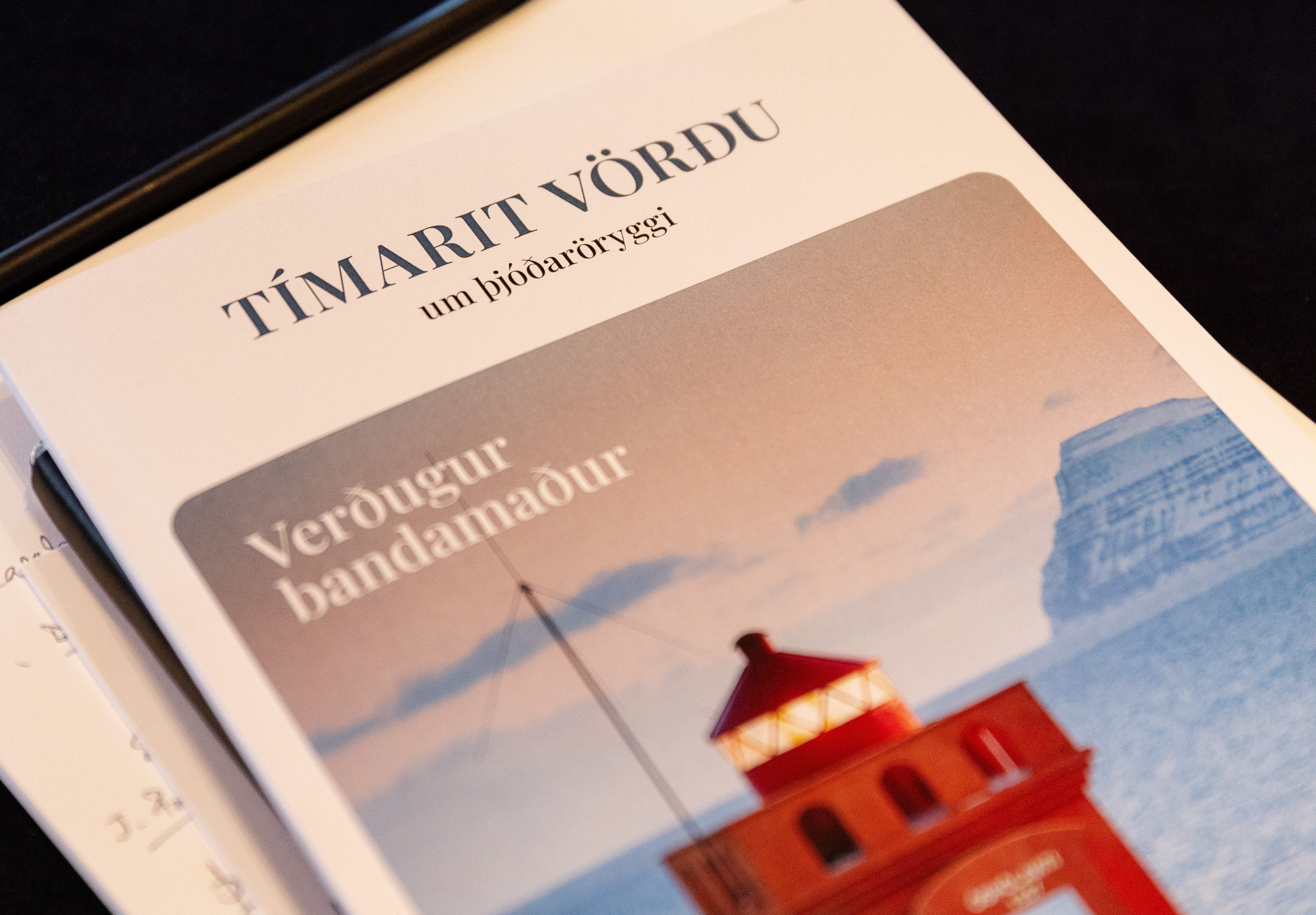
Iceland has long lived with the comfortable self-image that geographic isolation is our best defence. We see ourselves as spectators to conflicts in Europe rather than participants. A new report by the think tank Varða on Russian sabotage of infrastructure in Europe suggests, however, that this view is both outdated and questionable.
Sabotage contractors and the gig economy
What makes this development particularly complicated is the methodology. Instead of trained operatives, Russian intelligence services now increasingly use “contractors” whom they find in the world of organised crime or among vulnerable, marginalised groups. Through encrypted messaging apps such as Telegram, individuals are recruited to commit arson, damage equipment or break into water utilities in exchange for payment.
By using intermediaries, the line between ordinary crime and state-run sabotage becomes blurred. This complicates investigations and delays political responses, as the incidents at first appear to be isolated police matters rather than threats to national security.
Iceland, the infrastructure island
In Europe's new security environment, infrastructure is one of the foremost front lines.
In the wake of the invasion of Ukraine, acts of sabotage attributed to Russia increased by 246% in a single year. The sabotage is not directed at military installations but at the lifelines of society: energy systems, telecommunications, transport routes and other critical infrastructure. The aim is not destruction in the traditional sense, but to create uncertainty, test responses and cause economic damage.
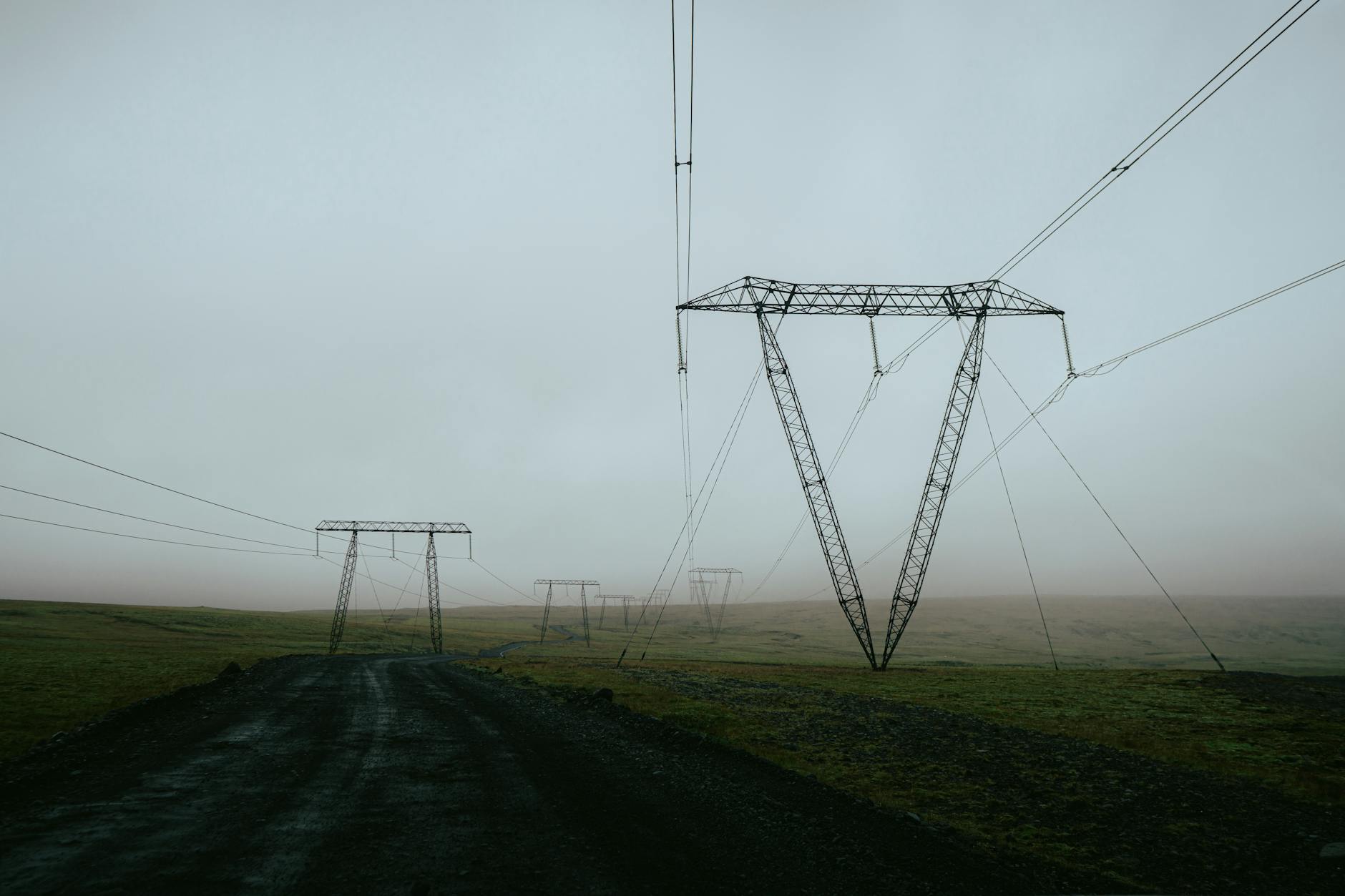
In Iceland, we owe our quality of life to good infrastructure. Its replacement value is around 147% of gross domestic product. Many of the systems are interconnected and have few fallback options. Despite this, we have no legal definition of critical or essential infrastructure, of responsibility for it, or of a mandate for action. We depend on our infrastructure, but its protection is not a priority.
No longer an area of low tension
The North Atlantic is no longer an area of low tension, as recent weeks' news coverage shows. In recent years, the region has become one of the most important areas of security and strategic interest for the great powers, where military positioning and transport routes matter ever more.
Iceland is a key player in supporting the monitoring of the movements of Russian submarines and shadow-fleet vessels. NATO's Secretary General calls us the eyes and ears of the Alliance in the North Atlantic – an affirmation of the importance of Iceland's location, and at the same time a reminder that we are part of the same area of operations as our neighbours.
Unlike our neighbours, we do not have decades of tradition in domestic defence work and security culture, which means we need to invest in and build up our own response capability, and to do so without delay.
We have not kept our eyes on redundancy and the resilience of our infrastructure, but have dragged our feet on the necessary build-up. And the blame does not lie with the government alone; it is we – the citizens – who put things other than security first when it comes to elections.
Iceland's security no longer rests on our distance from other countries, but on how quickly we realise that geographic isolation is no longer any defence.