There is no guarantee it will work itself out
Kristinn Árni L. Hróbjartsson and Hafsteinn Hauksson write on Vísir about the third supply shock in five years and Iceland's security stockpiles in light of the closure of the Strait of Hormuz.
We Icelanders rely on resourceful responders, nimble decision-making and a will to make things work — and so things often sort themselves out, even without much preparation. That is how two recent crises in global supply chains were weathered: first in the wake of the pandemic, and again after Russia's invasion of Ukraine.
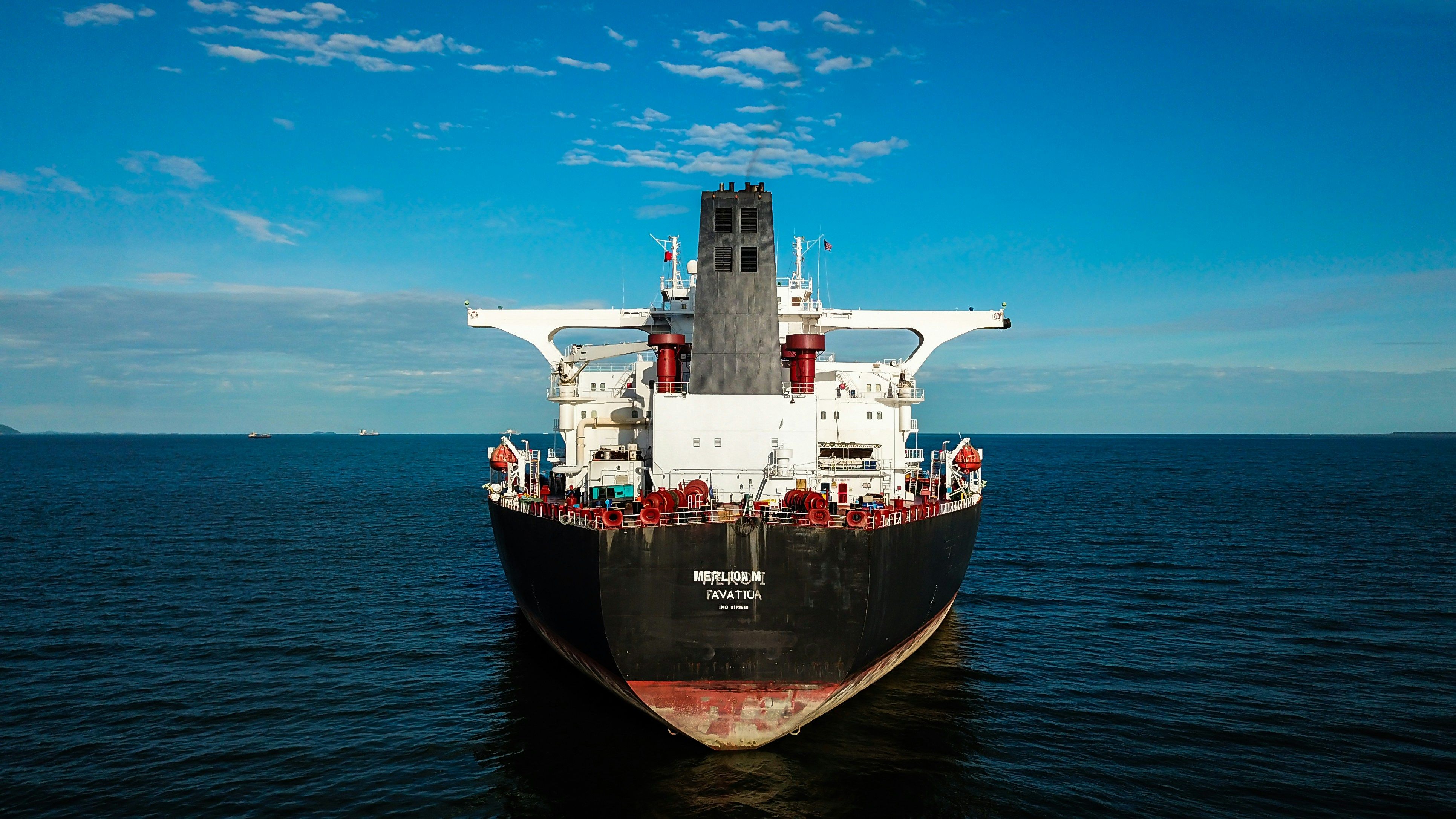
Now the world faces its third supply shock in five years, this time from the conflict in the Persian Gulf and the closure of shipping through the Strait of Hormuz. Although Iceland imports relatively little directly from the Gulf states, a new analysis we conducted for Varða, a think tank on national security and resilience, indicates that more than half of all imports to Iceland fall into product categories at risk of serious disruption — and that far more than oil is at stake.
This series of supply shocks in recent years underlines how the frequency of disruption in the global trading environment has multiplied. That calls for foresight instead of improvisation.
More than (just) oil
Globalised trade means that goods bought and sold on world markets are affected when global supply contracts. The price of oil refined in Norway, for example, has risen because of production cuts in the Gulf. Though we are far from the battlefields, we still feel the higher oil price at the pump.
Hopefully the effects will be confined to price increases, but prolonged disruption of shipping in the Gulf raises the risk that deliveries are curtailed, seriously delayed or fail altogether — all of which leads to shortages. And fuel is not the only product category at stake.
About a third of the world's helium production comes from the region — helium is essential for manufacturing high-tech products such as microchips and for running hospital MRI scanners. About a third of fertiliser also originates there. Although foresight (or luck?) meant Icelandic wholesalers had secured sufficient stocks for the summer, we import large quantities of food whose production depends on fertiliser. Plastic is made from crude oil, and though we no longer use plastic straws, we rely on plastic across critical activities — single-use medical supplies, and packaging for a range of export goods.
The import island
We depend on imports both to keep society running and to produce the goods we export to earn foreign currency. After Russia's invasion of Ukraine, the National Security Council published a report on emergency supplies and proposed that a single body be tasked with building the knowledge and capacity to strengthen supply security — including data collection and the long-term build-up of necessary security stockpiles. The right lesson was drawn from the last supply crisis, but follow-through has been lacking: that body has still not become a reality.
Cooperation is key
The import of key supplies today rests overwhelmingly with private companies. Those same companies often hold the best knowledge of inventory risk management and invaluable market relationships that give a clear picture of developments. That knowledge should feed into planning and analysis. It is therefore fundamental that the government and importers cultivate a relationship aimed at strengthening the country's resilience. National security is not the government's private affair but a joint project for us all.
Clear responsibility, focused effort
Today, responsibility for supply security is dispersed and unclear. No single institution or unit is responsible for analysis, for building knowledge and experience, for cooperation with sister agencies abroad, or for building and managing emergency stockpiles. We should look to nations like Finland and Switzerland, where these tasks belong to specialised institutions. Security stockpiles should be one body's core mission rather than a side project scattered across the system.
Let's not waste a “good” crisis
Unpredictability on the international stage is now a permanent condition. Warring blocs and geopolitical competitors use trade and supply chains as weapons in cold conflicts. In a small country like ours, little needs to go wrong to have lasting effects. Real sovereignty depends on society not being incapacitated when supplies are taken hostage. Let us not waste this crisis — and put emergency stockpiles first.
Kristinn Árni is co-founder and director of the think tank Varða; Hafsteinn is chief economist at Kvika bank.
First published (in Icelandic) on Vísir, 6 May 2026visir.is ↗ Third time's the charmA third shock in five years should prompt a concerted effort to build security stockpiles in IcelandRead →