My treat. You pay.
Kristinn Árni L. Hróbjartsson writes: Iceland’s security rests overwhelmingly on international cooperation and alliances, and Iceland needs to pay a larger share of their costs. A seat at the table has a price.
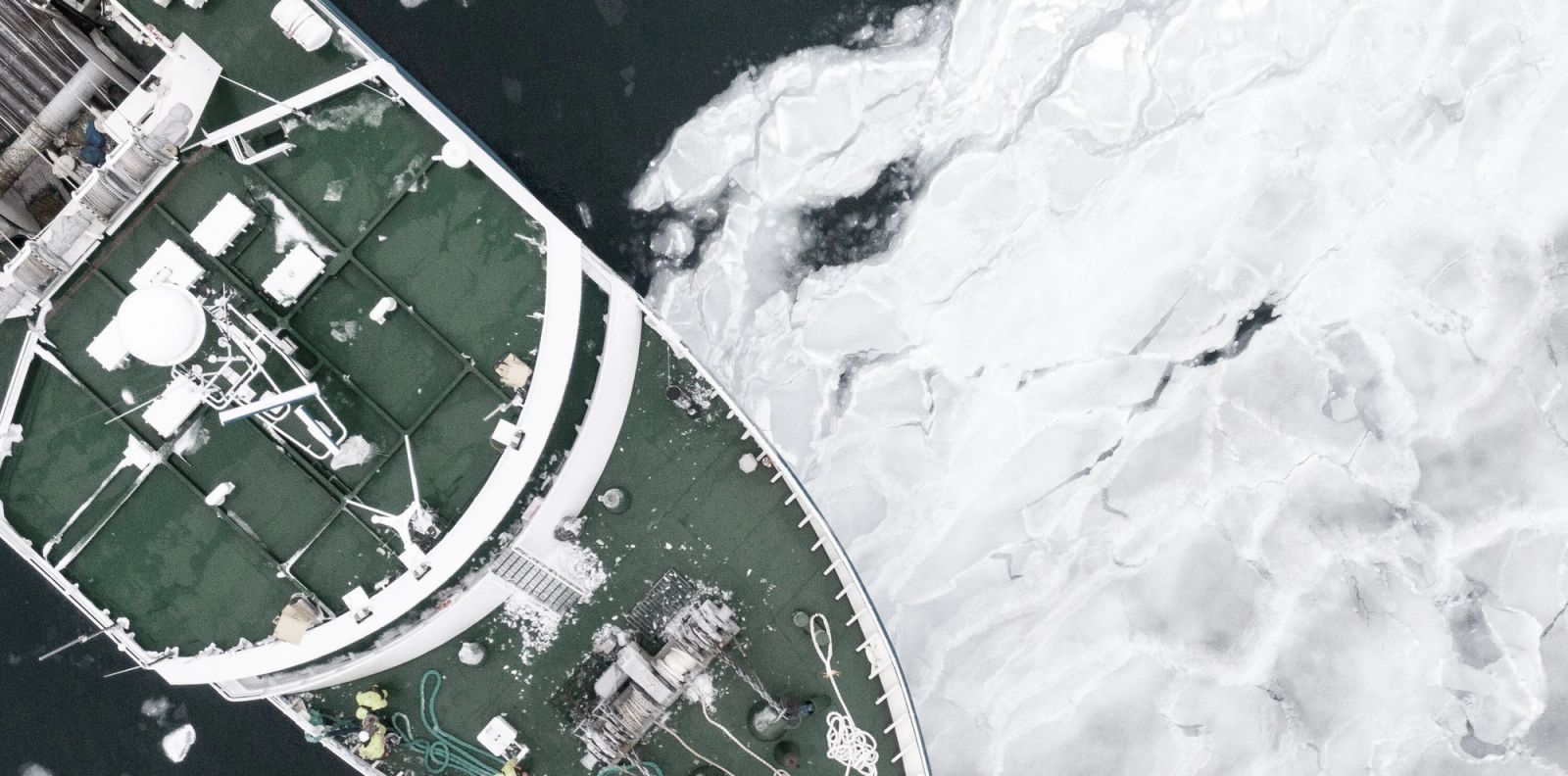
Just over a decade ago, the Icelandic government examined the case for building an Arctic rescue centre in Iceland. The centre was to be a joint project of Arctic states, intended to strengthen the response capacity of the Icelandic system. A 2016 report by a steering group on rescue and safety in northern waters called that capacity “inadequate”. It judged Iceland’s resilience to major accidents on passenger ships “seriously deficient”.
Iceland’s allies showed interest in the idea and were open to stationing equipment and specialised personnel in Iceland for part of the year. But the plans ran aground when it became clear that Iceland had not committed funding to support the necessary investments. The allies replied that Iceland would primarily have to cover the cost of such a build-up. Iceland could not expect them to provide equipment and personnel and pay for the build-up as well. Iceland’s offer to bring them in seems to have soured somewhat once they learned that Iceland expected them to foot the bill too.
Iceland is a free and sovereign state. With that comes the responsibility to ensure the security of all its people and to defend the country’s independence and its control over its borders and resources. This costs money and demands both manpower and attention.
As a state with a small population and no armed forces, Iceland has met that responsibility through international cooperation and membership of alliances. That approach has worked well and cost it little. Allies have often accepted good intentions in place of action. The story of the rescue centre shows, however, that Iceland cannot take this for granted.
Over the past decade the threat landscape has changed. Beyond conventional defence, today’s threats require Iceland to attend to cyber defence, stockpiles and supplies, telecommunications and other infrastructure. This autumn, cyberattacks on refrigeration and freezer units in grocery stores in many parts of Europe also reached Iceland. Distance no longer offers Iceland shelter, if it ever did.
Iceland’s allies are racing to strengthen their defence and preparedness. Iceland has fallen behind, although the government has stepped up its efforts in recent months. Many perceive the prevailing view to be that the United States (and NATO) will come to Iceland’s rescue if something happens, because Iceland lends them such militarily important territory and a friendly Iceland serves their interests. But as the threat landscape and the priorities of Iceland’s allies have changed, so have their expectations. Territory and willingness are not enough. Iceland must back its participation in cooperation with a contribution.
The opportunities are there. In October the European Union presented a new Arctic strategy. It signals a push in the region and opens the door to close cooperation with states outside the EU, its so-called northern neighbours. Among other things, the EU intends to work with member states and partners on maritime security, the protection and laying of submarine cables and secure satellite communications. All of this bears on Iceland’s security. The obvious step is therefore for the government to deliberately pursue the fullest possible participation in the Arctic cooperation of Iceland’s main allies.
But a seat at the table has a price. Iceland must not squander opportunities to strengthen its own security and that of the Arctic because it lacks the confidence or the will to contribute. That approach did not work then, and it does not work today. Iceland’s security rests overwhelmingly on international cooperation and alliances, and Iceland needs to pay a larger share of their costs. It is a cost that Iceland, one of the richest countries in the world, can well bear if it decides to change its approach and stop hitching a free ride.
The author is co-founder and director of Varða, a think tank on national security.
This article was first published in Icelandic in Morgunblaðið on 21 November 2026.