New IISS report on Iceland's security and defence policy
The British think tank the International Institute for Strategic Studies (IISS) has produced an independent analysis of Iceland's new security and defence policy at the request of Varða – a forum on resilience. In its analysis, the IISS assesses the government's new policy as both timely and realistic. The policy clearly takes account of a changed security environment: Russia's unconventional war against Europe, persistent cyber attacks and economic pressure. The policy…
The British think tank the International Institute for Strategic Studies (IISS) has produced an independent analysis of Iceland's new security and defence policy at the request of Varða – a forum on resilience.
In its analysis, the IISS assesses the government's new policy as both timely and realistic. The policy clearly takes account of a changed security environment: Russia's unconventional war against Europe, persistent cyber attacks and economic pressure. Iceland's policy also builds on strong alliances and the country's strong culture of civil protection. Support for NATO has grown, but there is little support for establishing a conventional military. In that context, the new policy emphasises strengthening preparedness capabilities, updating the legal framework for security and defence, and deepening cooperation with allies and the private sector.
The IISS's assessment is that the main challenge facing the Icelandic government, as in much of Europe, is not formulating policy but putting it into practice. In that light, the IISS proposes that the government prioritise the following main areas over the next twelve months:
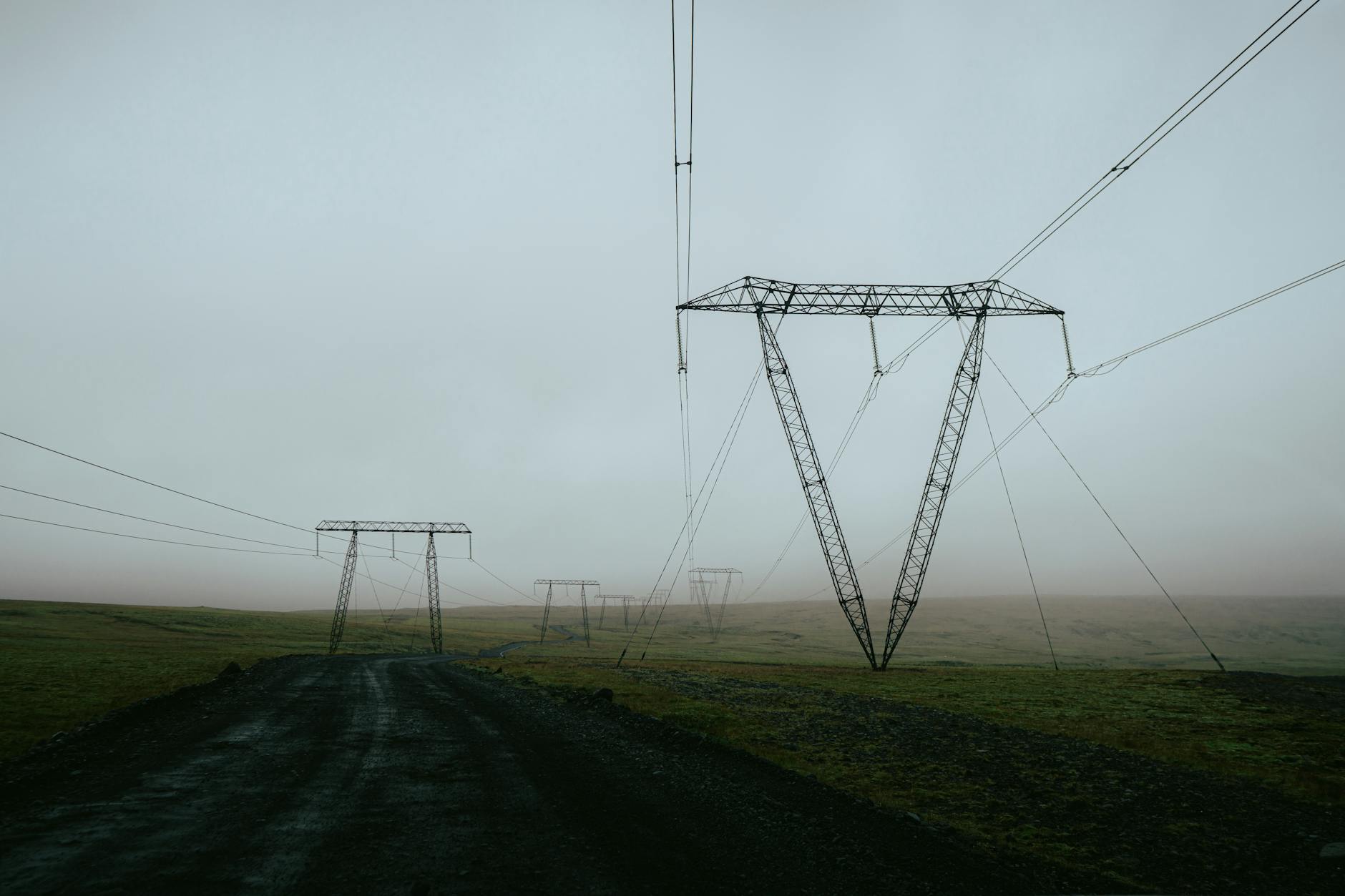
- Protect critical infrastructure and strengthen societal resilience
Critical infrastructure needs to be defined, the roles of stakeholders clarified, and security and preparedness standards formally established. - Strengthen digital sovereignty and cyber security
Strengthen CERT-IS by establishing a 24/7 Security Operations Centre (SOC), a joint government–industry hub for real-time monitoring and coordinated exercises. - Secure supply chains and economic security
Shorten and strengthen supply chains, accelerate the adoption of legislation on the screening of foreign investment, and thereby reduce systemic risk. - Deepen defence cooperation and regional collaboration
Build on NATO cooperation with greater emphasis on NORDEFCO and the targeted strengthening of host-nation support. - Put in place clear governance and a legal framework
Update the Defence Act, define critical infrastructure and the obligations of operators, and clarify the government's emergency powers.
The IISS also proposes that the government publish a baseline of current spending on preparedness and civil protection, and put forward a three-year plan for meeting NATO's resilience baseline requirements. The role of the National Security Council should be to maintain an overall view of that work, and to that end it is proposed that a dedicated implementation steering group be established, publishing public progress reports quarterly. It is also recommended that a new forum be established, the Icelandic Futures and Foresight Programme (IFFP), which would, on the one hand, link the government's strategic analysis directly to investments and exercises and, on the other, make information-sharing and joint training between the government, municipalities and business a permanent feature of Iceland's security and defence culture.
According to the IISS, Iceland faces conventional and hybrid threats directed particularly at the country's infrastructure. By building on the high level of trust that characterises Icelandic society and the flexibility of a small population, the government can turn its clear strategic intent into measurable progress in resilience. The threats already facing the country – and those that are foreseeable – mean this opportunity must not go to waste.
The IISS report can be read in full here: