New year, new reality, new conversation
The following article first appeared, slightly amended, on Vísir.is on 29 December 2025. In the year now ending, Europe's security environment changed markedly for the worse. Our neighbours and kindred nations in the Nordic countries were quick to respond. Denmark changed its conscription rules so that women can now be called up for military service on an equal footing with…
The following article first appeared, slightly amended, on Vísir.is on 29 December 2025.
In the year now ending, Europe's security environment changed markedly for the worse. Our neighbours and kindred nations in the Nordic countries were quick to respond.
Denmark changed its conscription rules so that women can now be called up for military service on an equal footing with men, and intends to extend conscription from 4 months to 11 next year. In Sweden, the health authorities were instructed to prepare civic service duty in the health professions, and the electricity distribution utility was tasked with training a thousand responders to carry out essential maintenance on the power system in an emergency. In Norway, responses to war are to be exercised at all levels of society throughout next year.
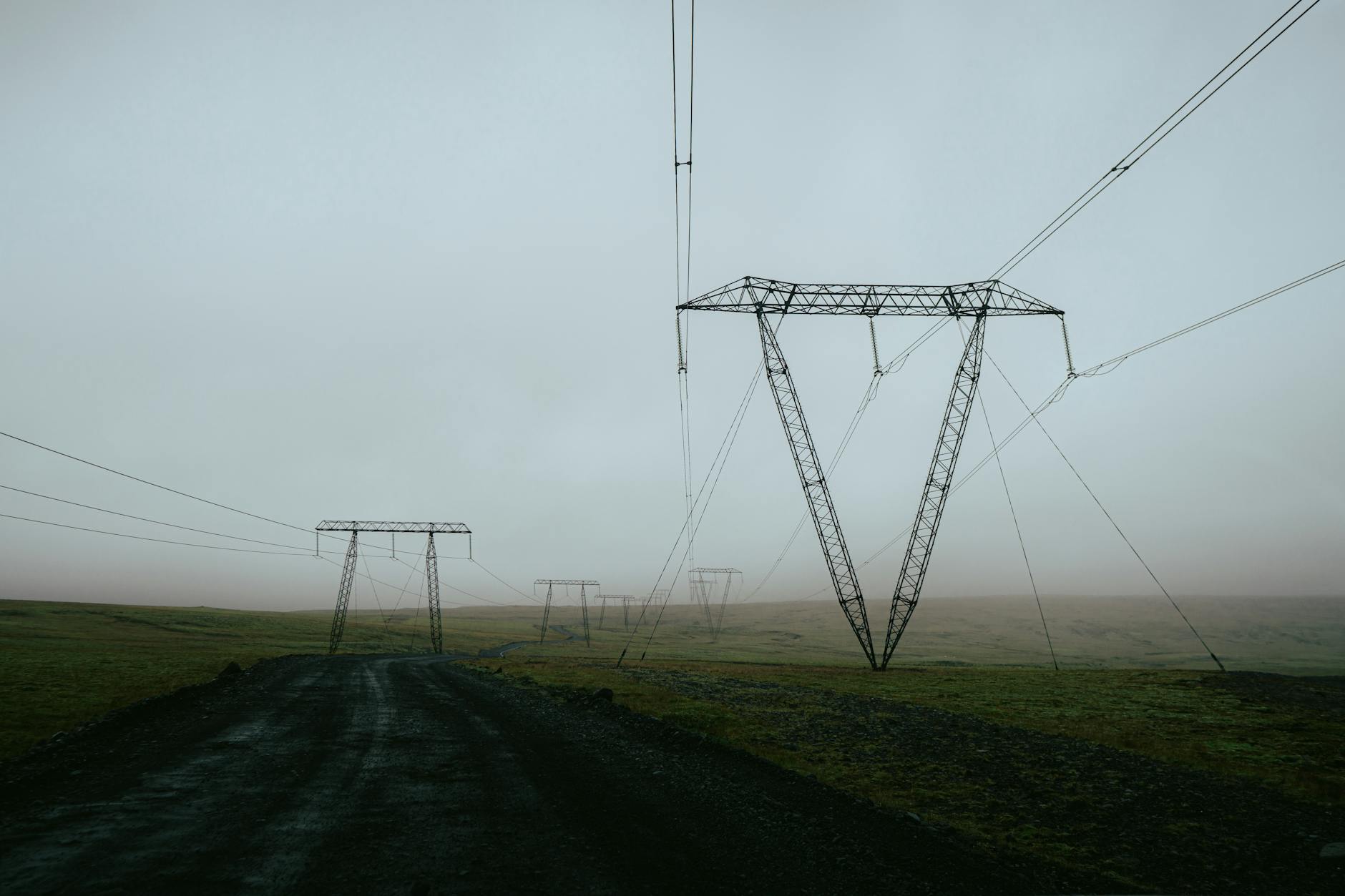
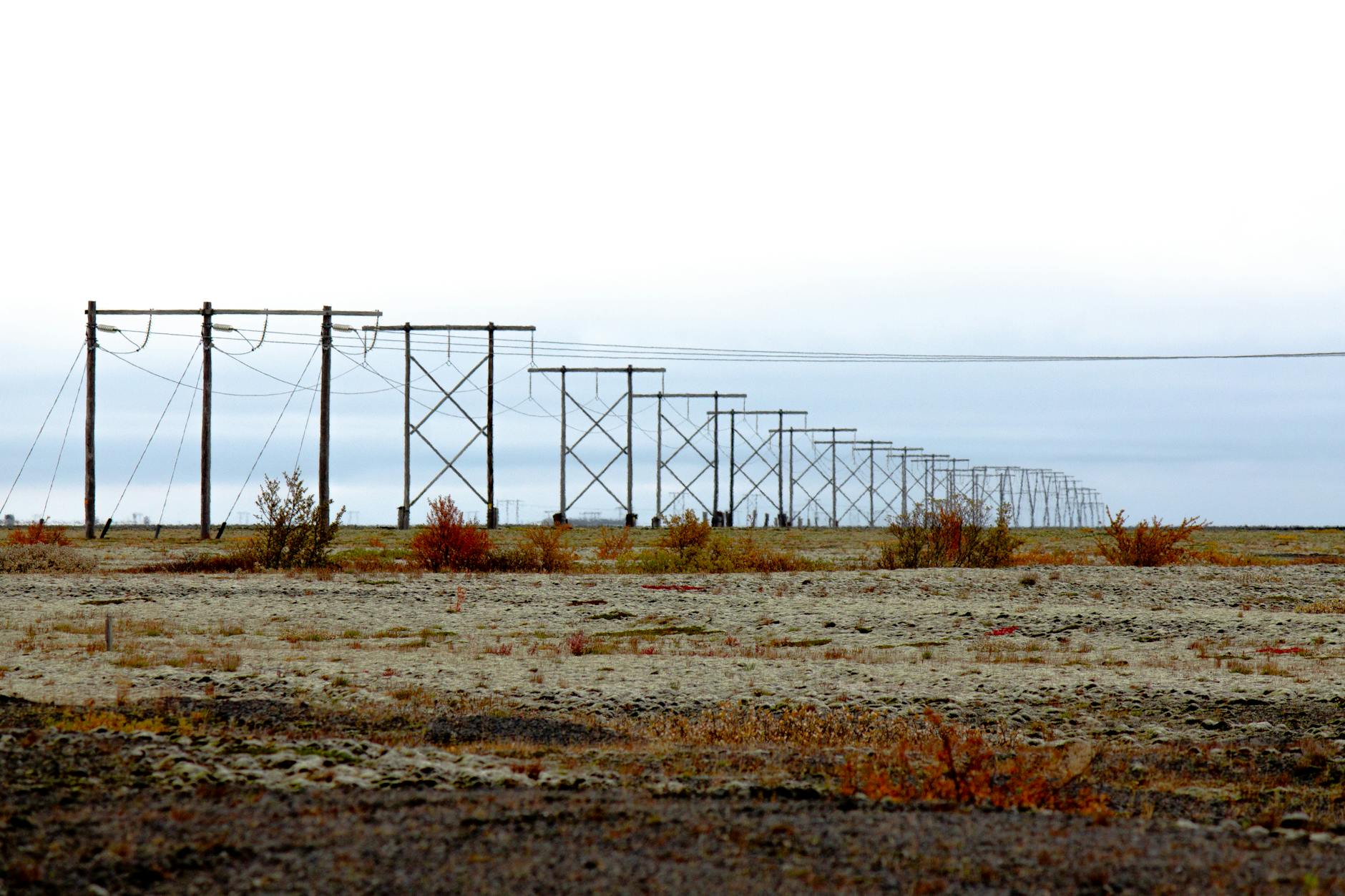
We are a nation without a military, on an island which, because of its location, would always be considered important in a conflict in our part of the world. That is a fine position to be in when we are surrounded by friends, but considerably more complicated when circumstances are otherwise. Everything we have depends on the free flow of international trade and access to key goods to secure food, transport and health. We benefit from earlier generations' sensible build-up of district heating and electricity systems, but we can of course not afford any disruption to their operation. When it comes to defence, one might say that we have got away with “outsourcing” it to our allies and friendly nations, which have likewise considered the cooperation to serve their own interests.
If we compare ourselves with the neighbouring nations mentioned above, it is easy to be scandalised by how complacent we have been about security and defence, and by how hard we find it to begin a serious conversation about them. But there are natural explanations for this.
We have neither a painful experience of occupation remembered across generations, nor have we experienced losing an entire generation of young people on the battlefield. We have no belligerent neighbours and have enjoyed the protection of the world's most powerful state for decades.
Iceland has thus got off cheaply in what is, for most governments, the most important area of policy. We spend very little money on security and defence, and both the public and most political leaders have avoided discussing them. But whether we like it or not, that time is over. We need to open our eyes to a fundamentally changed situation.
Everyone who bears responsibility in our society needs to cultivate an understanding of the dangers that may threaten our welfare and security. This applies to politicians, the public administration, businesses, the media, the academic community and many others. If the grave concerns of our friends and allies become reality, all of us will be put to the test.
National security must therefore never be regarded as a special interest or a party-political issue.
The ball is now in our court – the citizens' – to take in this message, understand what it means and take part in making security a fundamental issue in our public conversation about politics. We need to have a level-headed conversation about how we think about critical infrastructure, how we secure it and who bears responsibility; about the role of citizens and businesses in resilience and preparedness; and about how we prioritise the investment that needs to take place.
Let us make 2026 the year we have the conversation that matters. We have a long way to go and no time to lose.