Detect and deter
Drone threats and gaps in public response systems
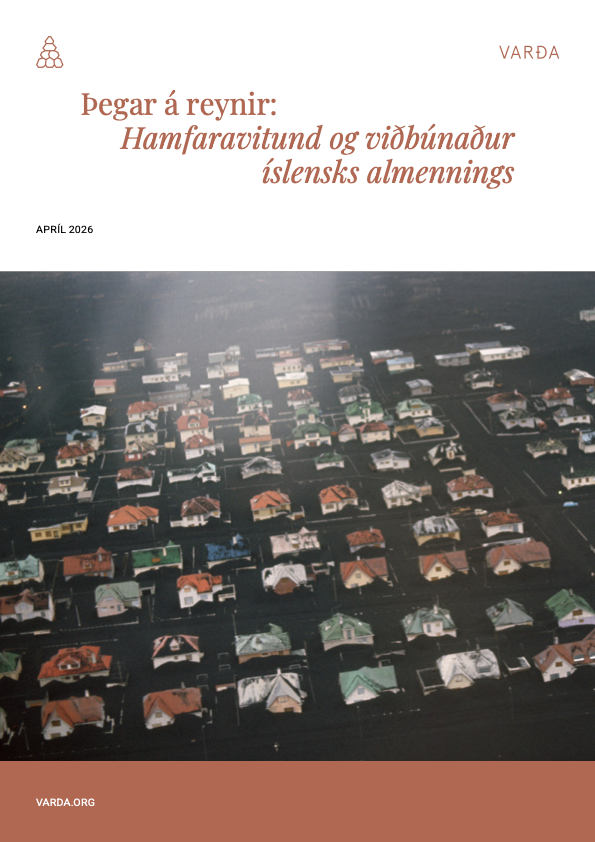
Drone-related incidents have increased significantly in Europe in recent years, causing disruption at airports, ports and other infrastructure. In 2025, unidentified drones led among other things to airport closures in Denmark and Norway, and similar incidents near Keflavík Airport drew attention in Iceland. The trend has not reversed. On the contrary, recent…
Drone-related incidents have increased significantly in Europe in recent years, causing disruption at airports, ports and other infrastructure. In 2025, unidentified drones led among other things to airport closures in Denmark and Norway, and similar incidents near Keflavík Airport drew attention in Iceland. The trend has not reversed. On the contrary, recent incidents across Europe have shown that drone-related threats remain a real challenge.
A new report from Varða, produced in cooperation with the Brooks Tech Policy Institute (BTPI) at Cornell University, examines the threats that drones can pose and assesses how Iceland's response system measures up against them. Recent incidents show that drones are a real threat that Icelandic authorities must take seriously.
The report's findings indicate that three gaps limit the ability of Icelandic authorities to deal with drone-related threats. They concern threat assessment and the division of responsibility, responses when incidents occur, and coordination among the actors responsible for the security of critical infrastructure. The report also notes that Iceland's geographic isolation and limited redundancy can make the consequences of disruption more severe than in many other parts of Europe.
To address these gaps, the report proposes three main priorities:
- Establishing clear, written procedures between the police and the actors who first detect suspicious drone activity.
- Providing the police with clearer legal authority and increased funding to respond to drone-related incidents.
- Establishing a standing communication and response forum to strengthen situational awareness and monitoring of potential threats.
Translated from the Icelandic original — read it here.